
Authenticator ℠ App for Salesforce
salesforce.com ↗How to set up Salesforce 2FA, connect Authenticator ℠ App, and use verification codes when signing in.
Protect your Salesforce account with two-factor authentication (2FA) using Authenticator ℠ App. By enabling 2FA, you'll add an extra layer of security that helps prevent unauthorized access and keeps your account safer.
Two-factor authentication methods supported by Salesforce
- SMS
- Authenticator app (TOTP)
- Hardware key (U2F)
- Custom software
Salesforce supports time-based one-time passwords (TOTP), so you can generate Salesforce verification codes directly in Authenticator ℠ App instead of waiting for an SMS.
Salesforce 2FA details
- Official setup guide
- Salesforce’s official 2FA documentation ↗
- Category
- Communication
Sign In with Authenticator ℠ App & Enable 2FA for Salesforce
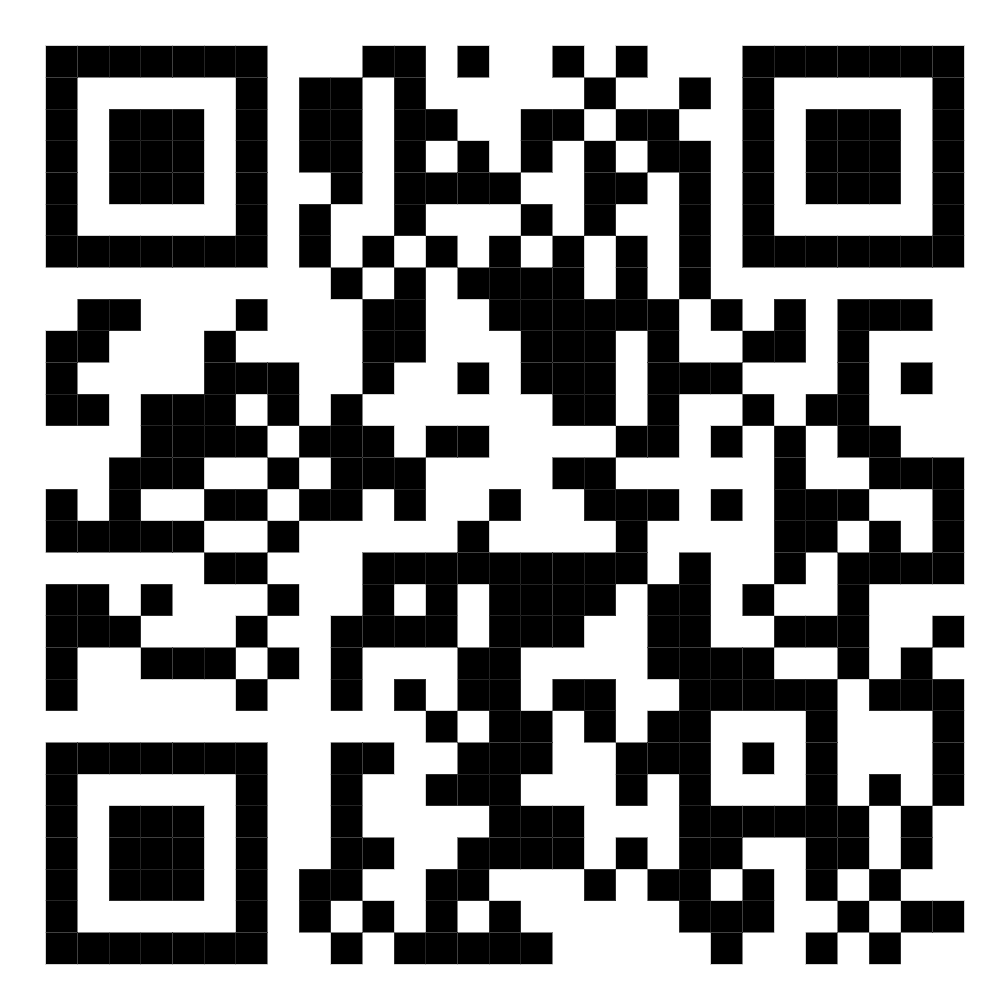
Simply download and open the Authenticator ℠ App, find your Salesforce account, and enter the current verification code when prompted. After enabling 2FA, you'll need both your password and a temporary authentication code when signing in. Click on the button below Download on the App Store or scan the QR Code.

Get the Authenticator ℠ App
Scan the QR codes from Salesforce and generate secure one-time codes.

Related services


More Communication services that support 2FA
Salesforce 2FA — Frequently asked questions
- Does Salesforce support an authenticator app?
- Yes. Salesforce supports time-based one-time passwords (TOTP), so you can add your Salesforce account to Authenticator ℠ App and generate verification codes on your device — no SMS required.
- What two-factor authentication methods does Salesforce support?
- Salesforce supports SMS, Email, Authenticator app (TOTP), Hardware key (U2F), Custom software for two-factor authentication.
- Is Salesforce 2FA free with Authenticator ℠ App?
- Yes. Authenticator ℠ App is free to download and use for generating Salesforce verification codes, with no sign-up required.
Disclaimer
This content is for educational purposes only.
Begamob is not affiliated with or endorsed by Salesforce. All trademarks and product names are the property of their respective owners and are used solely for identification purposes.